
Use a Dehooker
Dehook fish fast and with less handling. If a hook is deeply swallowed and cannot be removed easily, cut the line close to the hook instead of causing more damage.
Small changes by anglers can make a big difference. Better handling, quicker releases, and the right tools help more snook, trout, and redfish survive to spawn again.
Have these habits ready before the fish ever leaves the water.
Dry hands can damage the protective slime layer that helps fish resist infection.
Get your camera and tools ready before lifting the fish so it spends less time out of water.
Keep air exposure as short as possible and return the fish quickly and gently.
Let tired fish recover upright in the water before release, moving them gently if necessary.
These simple practices reduce handling damage, stress, and post-release mortality.
Dehook fish fast and with less handling. If a hook is deeply swallowed and cannot be removed easily, cut the line close to the hook instead of causing more damage.
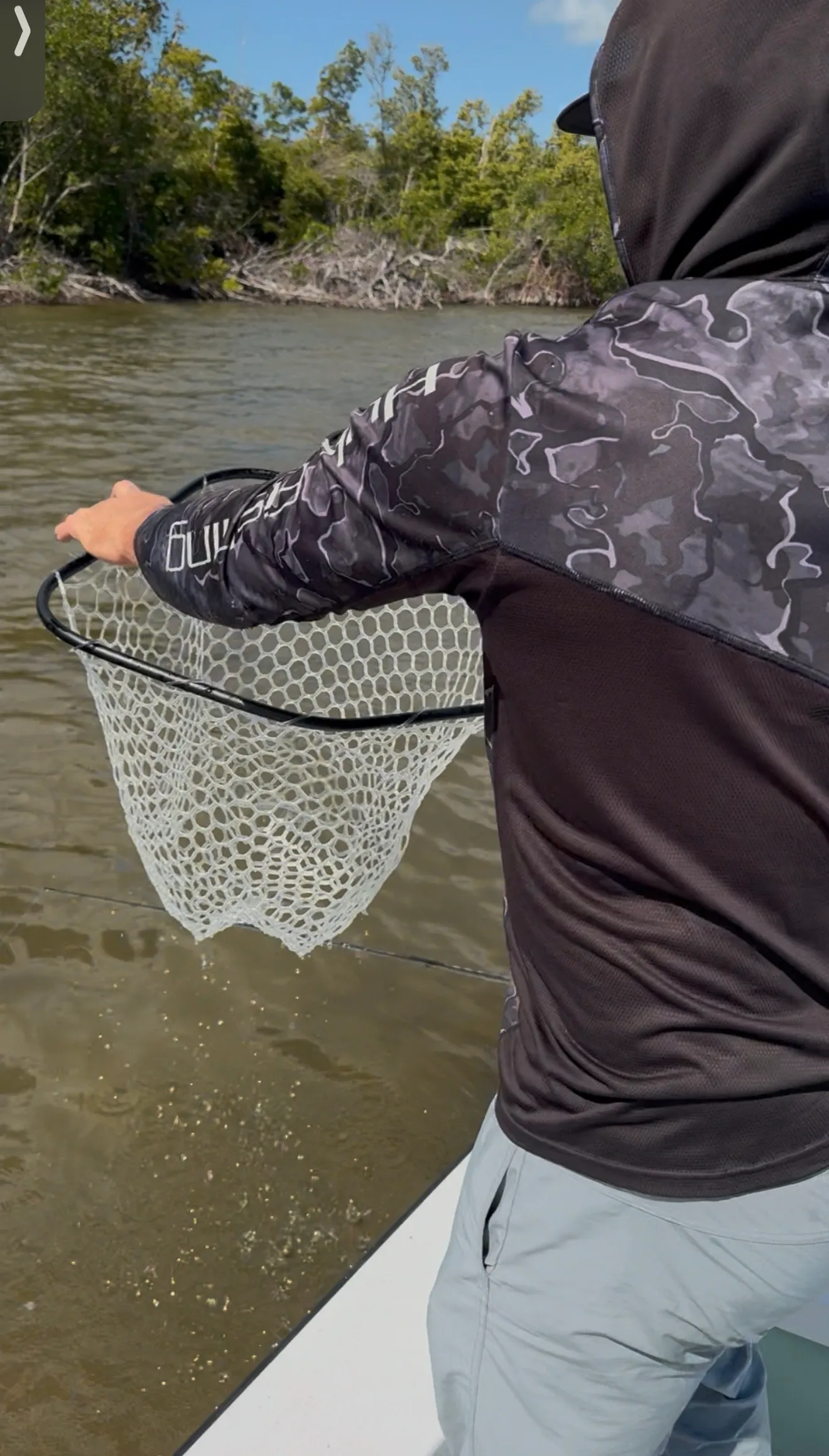
Rubber-coated knotless nets are easier on fish and protect their slime coat better than rough knotted nets. Skip the gaff on fish you plan to release.
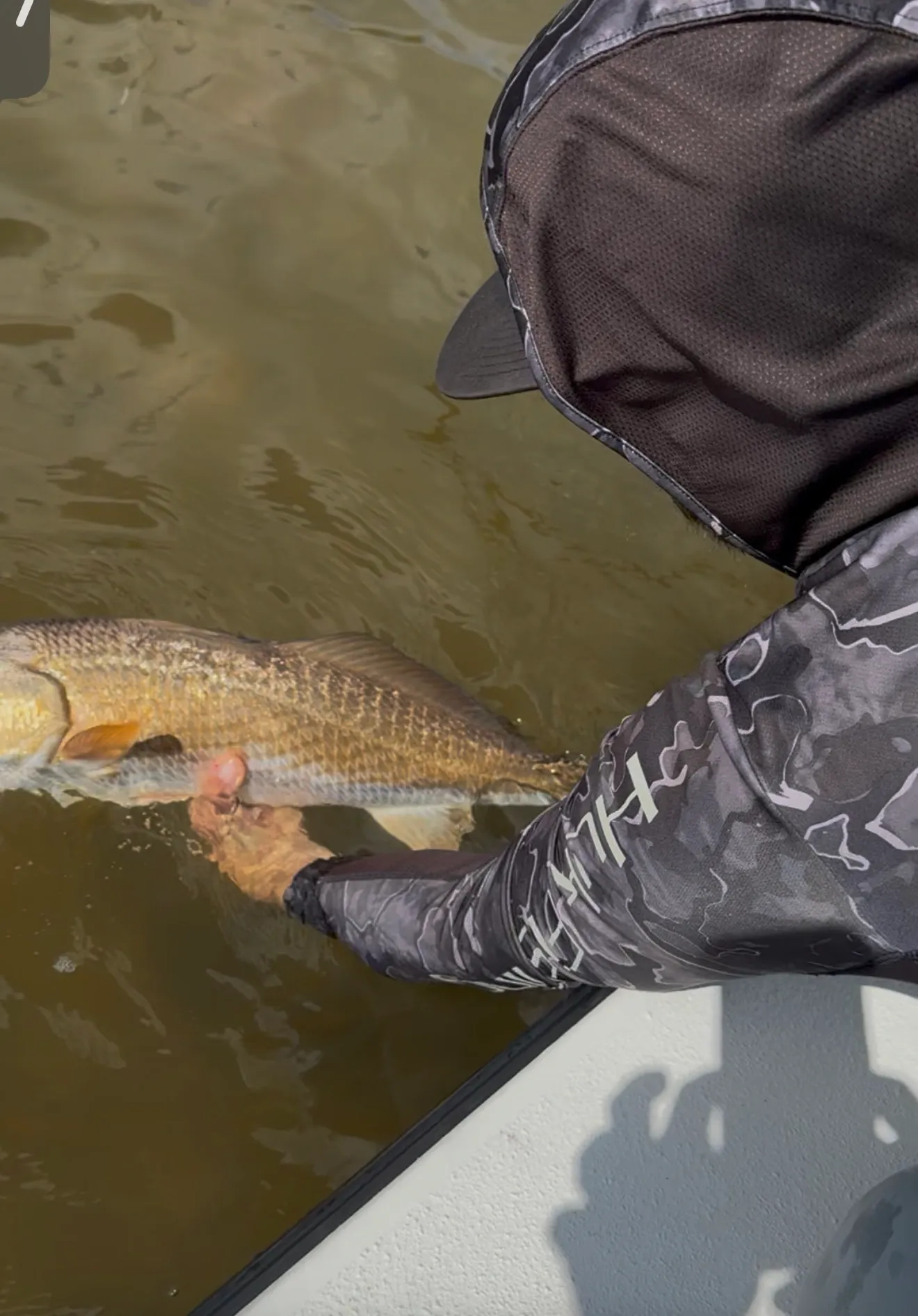
Keep fish in the water whenever possible. For quick photos, lift only briefly, support the body, and return the fish fast.

Hold fish horizontally when needed and support the belly. Avoid hanging larger fish straight down by the jaw, which can injure them.

Circle hooks and barbless or flattened-barb hooks can make release easier and reduce deep-hooking.

Place fish back in the water gently, head first. If it is tired, hold it upright and let water pass over the gills until it kicks away on its own.
The little details matter. These are the habits that help fish survive after release.
Better handling is one part of the solution. Smarter regulations, better habitat, better water quality, and responsible release practices all work together to create more fish for the future.